
Unit C 146 Harris Road,
Mail us on
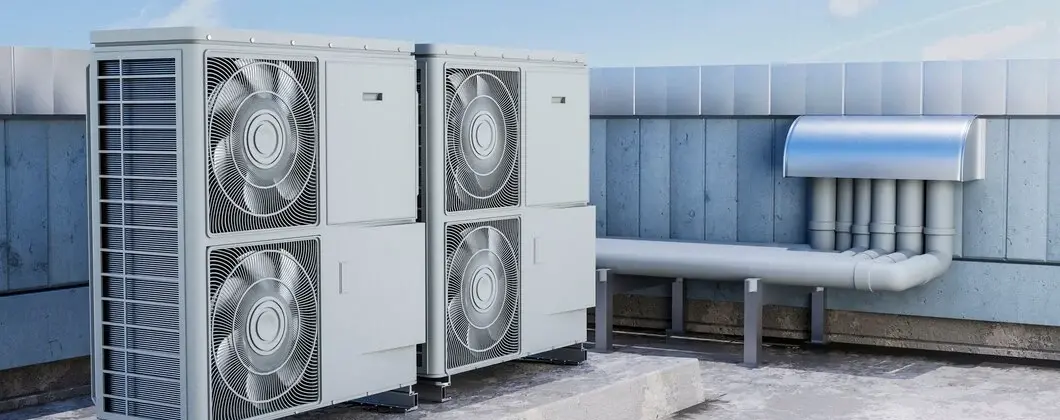
A commercial heat pump rarely asks for attention. It hums in the background, keeps staff productive and customers comfortable, and makes energy bills predictable. Until it doesn’t.
Lifespan is rarely about brand or luck. It’s about habits. Small, repeatable maintenance choices quietly add years to your system. Here are some that matter most.
1. Treat Filters Like First-Line Employees
Walk into a busy commercial space during peak hours. There will be dust, pollen, and people breathing. All of that becomes part of your commercial heat pump’s workload.
A clogged filter forces the system to work harder. Fans strain, airflow drops, and components heat up faster than they should.
What smart operators do differently:
- Inspect filters monthly, not quarterly
- Replace or clean before visibly dirty builds up
- Keep spare filters on-site to avoid delays
Clean filters protect airflow as well as compressors, motors, and coils from unnecessary stress. That alone can extend system life by years.
2. Clean Coils Before They Start Complaining
Coils do not fail loudly at first. They quietly lose efficiency. Picture a condenser coil layered with grime. Heat has nowhere to go. Pressure builds. Energy consumption rises.
The system compensates by running longer cycles, aging itself faster.
Instead of waiting for performance complaints, high-performing facilities follow a schedule:
- Visual inspection every quarter
- Gentle cleaning using manufacturer-approved methods
- Professional deep clean annually
Clean coils mean stable pressures and consistent temperatures. The system stops fighting itself and starts aging gracefully.
3. Keep Drainage Boring and Predictable
Condensate drains are rarely discussed in meetings. That is exactly the problem. Blocked drains cause water to back up. Moisture finds electrical components. Corrosion sets in quietly.
You do not see the damage immediately. You notice it when boards fail early or sensors start misbehaving.
Low-drama drainage habits that work:
- Flush drain lines regularly
- Inspect for algae or debris buildup
- Ensure correct slope and secure fittings
When water goes exactly where it should, your system avoids the slow, expensive decay that shortens its usable life.
4. Stop Ignoring Sounds and Small Behaviour Changes
Commercial heat pumps talk. Not with alarms at first, but with patterns. A fan that cycles more often. A compressor that sounds sharper. A system that takes longer to stabilize temperatures.
These are early signals, not quirks.
Train teams to notice:
- New or irregular noises
- Longer startup times
- Inconsistent temperatures across zones
Documenting small changes creates a maintenance trail. Technicians can diagnose issues early, when fixes are simpler and parts are still healthy.
5. Schedule Professional Servicing Like a Business Asset
A commercial heat pump is not a background utility but a capital asset. Reactive maintenance shortens its life. Preventive servicing extends it.
Professional technicians do more than clean. They measure pressures, check electrical loads, recalibrate controls, and catch issues invisible to untrained eyes.
A smart servicing rhythm looks like this:
| Task | Frequency | Lifespan Impact |
|---|---|---|
| Filter inspection | Monthly | Reduces motor strain |
| Coil cleaning | Quarterly to annually | Prevents pressure damage |
| Electrical checks | Annually | Avoids component burnout |
| Refrigerant inspection | Annually | Protects compressor health |
The result is fewer breakdowns and a system that ages evenly instead of collapsing suddenly.
Why These Hacks Work Together
Each habit seems small on its own. Together, they change how the system lives. Clean air protects coils. Healthy coils stabilize pressures. Stable pressures protect compressors. Dry drainage prevents corrosion. Early detection prevents cascading failures.
You are not adding complexity. You are removing friction.
What Failure Looks Like
Most commercial heat pumps do not die dramatically. They fade. Energy bills rise first. Comfort complaints follow. Repair frequency increases. By the time replacement is discussed, the system has been struggling for years.
These maintenance hacks interrupt that story early. They keep performance boring, predictable, and reliable.
A Word on Documentation
One overlooked habit separates short-lived systems from long-lived ones: records.
Maintenance logs turn memory into data. They help technicians see patterns. They justify proactive repairs before failure. They protect warranties.
A simple digital or physical log is often the difference between a ten-year system and a fifteen-year one.
Conclusion
The best commercial heat pumps are rarely noticed. They work. They last. And they age quietly.
These maintenance hacks are not dramatic, but they are powerful. Do them consistently, and your system will reward you with fewer surprises, lower lifetime costs, and years of dependable service.

ASAER Team
The ASAER team brings over 45 years of hands-on experience in refrigeration, air conditioning, and HVAC systems. As a fully Kiwi-owned brand, they integrate consultancy, design, system build, commissioning, and ongoing service into a frictionless delivery model. Whether it's commercial refrigeration, cold storage facilities, or residential and commercial heat pumps, every solution is engineered for efficiency, reliability, and long-term performance. ASAER’s licensed experts ensure systems are well-calculated, installed, and maintained. The result isn’t just climate control but accountability, economy, and enduring partnerships built on trust. The company has served over 3,300 customers, all of whom praise their work.
All Seasons Air Conditioning & Elite Refrigeration Limited (ASAER) specializes in HVAC / Mechanical design and build for commercial applications. We specialize in sales, installation and repair of Refrigeration and Air-Conditioning.
© Copyright 2026 - All Seasons Air & Elite Refrigeration Limited, Website Maintained by 